
WheeBuy Finds
Spreadsheet
OVER 5000+
WITH QC PHOTOS






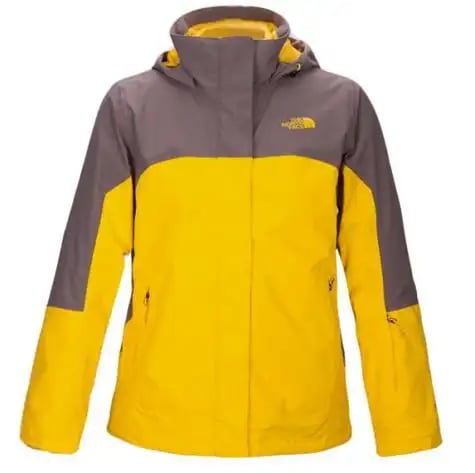


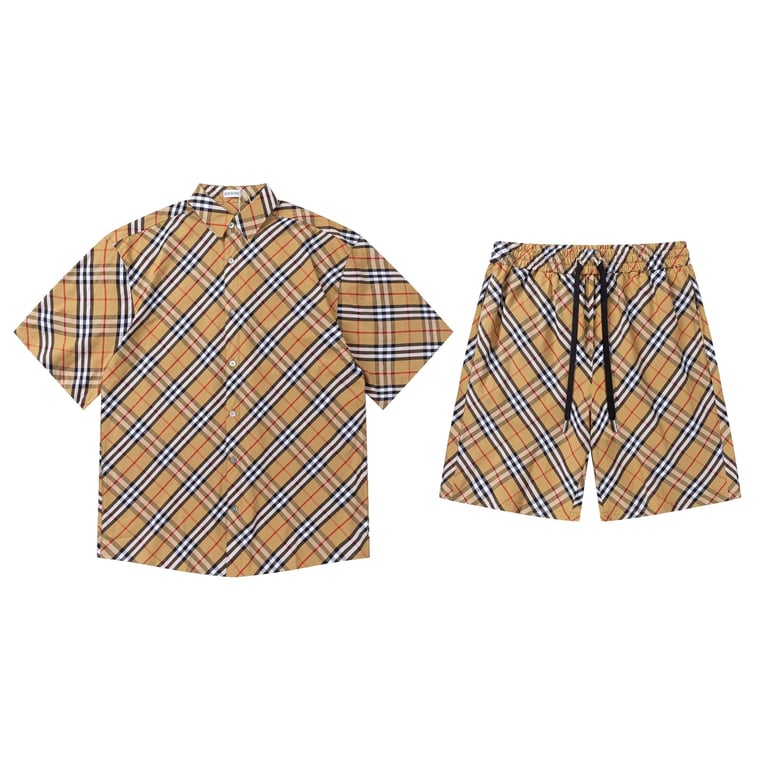
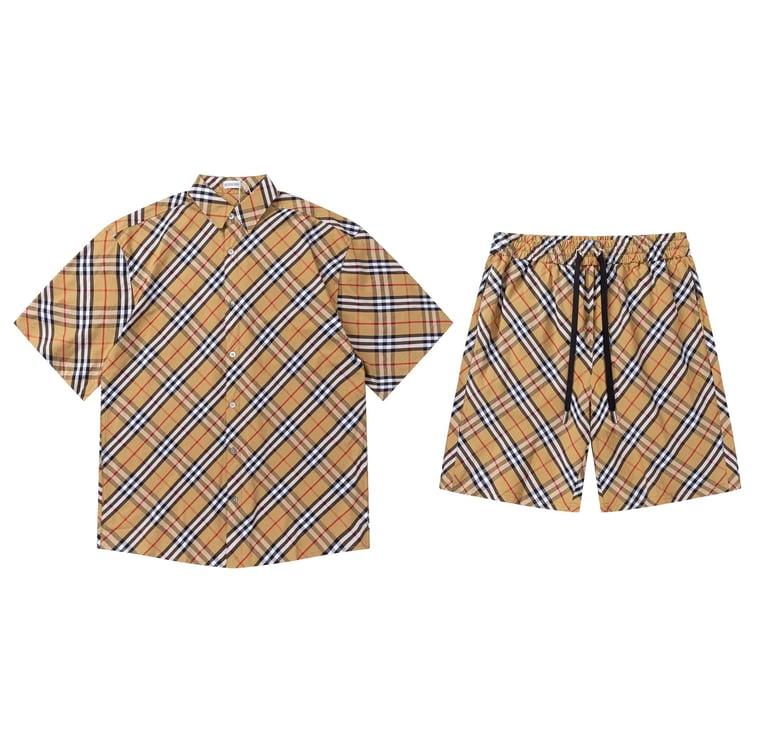
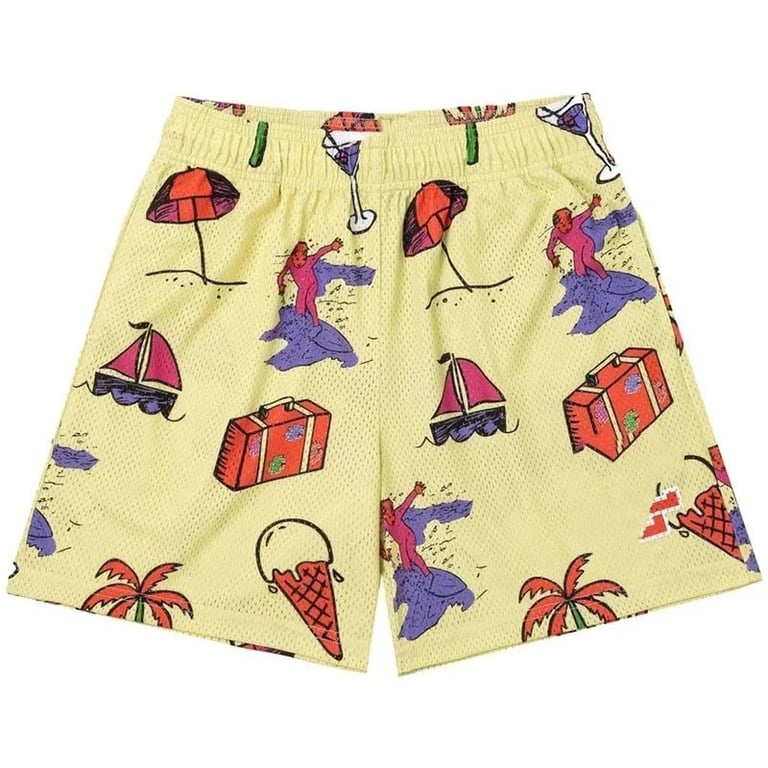
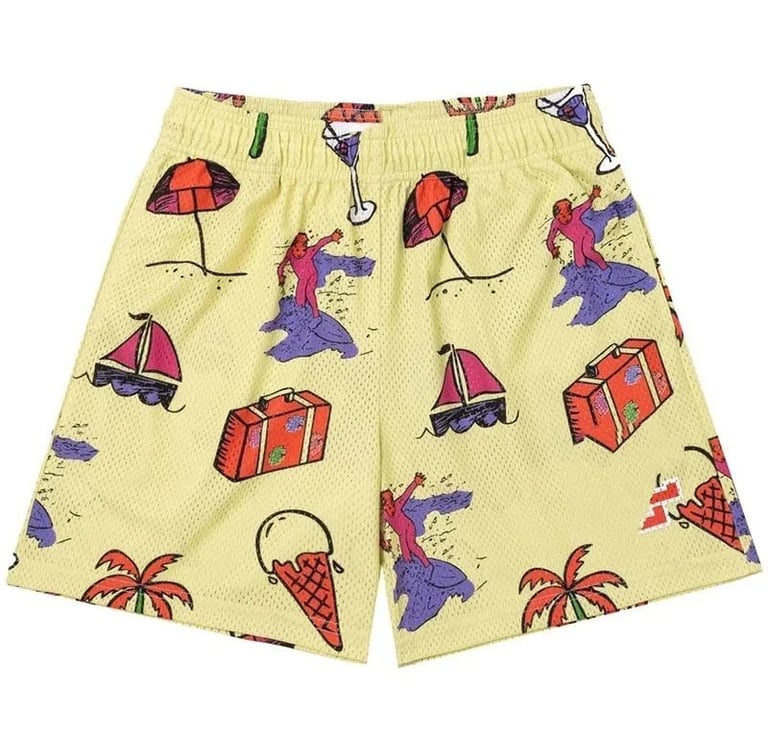
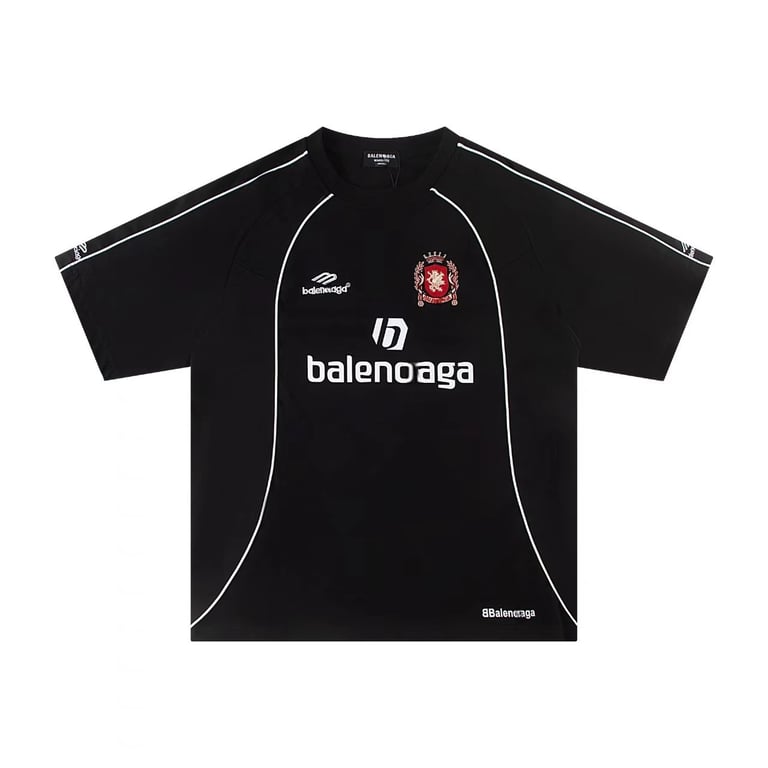
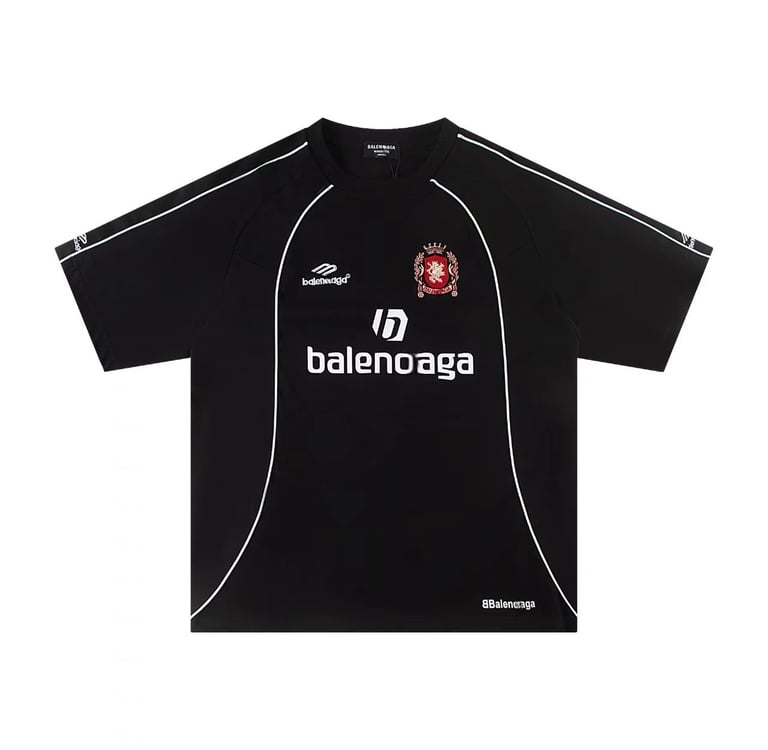


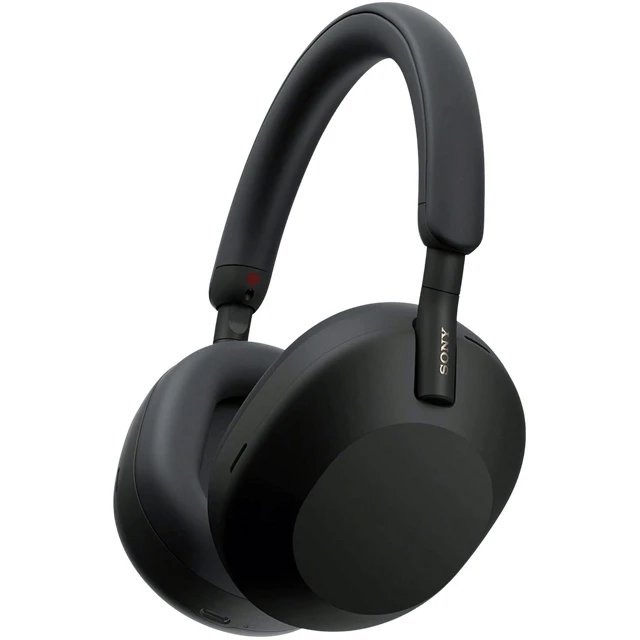
How to Use Wheebuy Spreadsheet to Find Trending 1688 Products Quickly
Finding trending products in global sourcing requires speed and structure, and the Wheebuy spreadsheet provides exactly that. It organizes 1688 and micro shop data into a searchable system that helps users identify high-demand items quickly. For eCommerce sellers, the Wheebuy spreadsheet is a powerful tool for spotting viral products before they saturate the market.
1. Trend Detection System
The Wheebuy spreadsheet highlights fast-moving products by structuring supplier data in a way that makes trending items easier to identify, including fashion inspired by Nike and Adidas.
Users rely on the Wheebuy spreadsheet to track repeated product appearances, which often signals rising market demand.
This system helps sellers detect early-stage trends like Supreme-style streetwear or Yeezy-inspired sneakers.
2. Fast Filtering Techniques
The Wheebuy spreadsheet includes filtering tools that allow users to sort products by category, price, and supplier activity.
Buyers use the Wheebuy spreadsheet to quickly isolate high-performing items without manually browsing 1688 listings.
Filtering helps identify niche opportunities such as Carhartt-style jackets or New Balance-inspired footwear.
3. Efficient Product Validation
Before selecting a product, users validate demand signals directly inside the Wheebuy spreadsheet by analyzing listing frequency and supplier consistency.
The Wheebuy spreadsheet reduces the risk of choosing low-performing products by consolidating verified supplier data.
Sellers often compare multiple entries to ensure product viability before launching a store.
Conclusion
The Wheebuy spreadsheet enables faster and more accurate identification of trending 1688 products. By combining structured data with filtering and validation tools, it helps global sellers stay ahead in competitive eCommerce markets.
Wheebuy Ordering Process Explained from Spreadsheet Selection to Global Delivery
The Wheebuy ordering system simplifies cross-border purchasing by turning supplier data into a structured workflow. The Wheebuy spreadsheet plays a key role in this process, guiding users from product selection to international shipping. It reduces complexity and ensures smooth transactions for global buyers.
1. Product Selection Stage
Users begin by choosing products directly from the Wheebuy spreadsheet, which organizes listings such as Nike-style sneakers and Supreme-inspired apparel.
The Wheebuy spreadsheet provides detailed supplier data, helping buyers make informed decisions.
This stage ensures that only verified products move forward in the ordering process.
2. Order Processing Workflow
Once a product is selected, the system automatically processes orders using structured data from the Wheebuy spreadsheet.
The Wheebuy spreadsheet ensures pricing accuracy and supplier confirmation before purchase execution.
Buyers benefit from reduced manual communication with suppliers on 1688 or micro shops.
3. Global Shipping and Fulfillment
After order confirmation, logistics are arranged based on product details stored in the Wheebuy spreadsheet.
The Wheebuy spreadsheet supports tracking and coordination for international delivery.
Products such as Adidas or The North Face-style items are shipped efficiently through integrated logistics channels.
Conclusion
The Wheebuy ordering system transforms sourcing into a seamless workflow from selection to delivery. The Wheebuy spreadsheet ensures accuracy, efficiency, and reliability throughout the entire cross-border purchasing process.
Complete Guide to Wheebuy Product Sourcing Workflow for Beginners
For beginners entering global sourcing, understanding workflow structure is essential. The Wheebuy spreadsheet simplifies this process by organizing supplier data into a clear, step-by-step system. It helps users navigate sourcing from discovery to purchase with minimal complexity.
1. Product Discovery Phase
Beginners use the Wheebuy spreadsheet to explore thousands of supplier listings, including trending fashion inspired by Stüssy and Carhartt.
The Wheebuy spreadsheet organizes products into structured categories for easier browsing.
This phase helps users identify potential winning products for online stores.
2. Evaluation and Comparison Stage
Users compare multiple listings inside the Wheebuy spreadsheet to evaluate pricing, supplier quality, and demand signals.
The Wheebuy spreadsheet makes it easier to distinguish between high-quality and low-quality suppliers.
Buyers often compare Nike-style or Yeezy-inspired items during this stage.
3. Execution and Scaling Workflow
Once products are selected, users rely on the Wheebuy spreadsheet to finalize sourcing decisions and scale inventory.
The Wheebuy spreadsheet supports bulk selection for dropshipping or retail operations.
Sellers use structured data to optimize long-term sourcing strategies.
Conclusion
The Wheebuy sourcing workflow gives beginners a structured path from discovery to scaling. The Wheebuy spreadsheet acts as the core system that simplifies decision-making and improves efficiency in global eCommerce operations.


How Wheebuy Automates Product Aggregation from Micro Stores and 1688
Modern cross-border sourcing relies heavily on automation, and Wheebuy achieves this by converting fragmented supplier data into structured listings. The Wheebuy spreadsheet is the core engine behind this automation, pulling product information from 1688 and micro stores into a unified system. This allows global buyers to access organized data without manual searching.
1. Automated Data Collection System
Wheebuy continuously collects supplier data from 1688 and micro shops, converting it into structured entries inside the Wheebuy spreadsheet for global buyers to analyze efficiently.
The Wheebuy spreadsheet removes manual scraping tasks, allowing users to focus on product selection rather than data gathering.
Products like Nike-style sneakers or Supreme-inspired apparel are automatically indexed into the system.
2. Real-Time Product Synchronization
The Wheebuy spreadsheet updates product listings in real time, ensuring buyers always access the latest supplier data and pricing.
This synchronization helps users track fast-moving items such as Adidas or Yeezy-inspired fashion products.
The system reduces delays caused by outdated listings or inactive suppliers.
3. Scalable Aggregation Framework
Wheebuy’s backend structure allows thousands of products to be processed simultaneously into the Wheebuy spreadsheet.
The Wheebuy spreadsheet organizes large-scale supplier data without performance loss or confusion.
This scalability supports dropshipping sellers managing large product catalogs.
Conclusion
Wheebuy automates product aggregation by transforming fragmented supplier data into structured listings. The Wheebuy spreadsheet ensures real-time updates, scalability, and efficiency for global sourcing operations.
Wheebuy Spreadsheet Search and Filtering Techniques for Better Sourcing
Effective sourcing depends on accurate search and filtering methods. The Wheebuy spreadsheet provides advanced tools that help users refine product selection from thousands of supplier listings. By mastering these techniques, buyers can significantly improve sourcing efficiency and identify high-performing products faster.
1. Advanced Search Functions
Users can search directly within the Wheebuy spreadsheet to locate specific products such as Carhartt-style jackets or New Balance-inspired sneakers.
The Wheebuy spreadsheet supports keyword-based filtering, making product discovery faster and more precise.
This reduces time spent manually browsing large supplier databases.
2. Smart Filtering Strategies
The Wheebuy spreadsheet allows filtering by category, price range, and supplier reliability for better sourcing decisions.
Sellers often use filters in the Wheebuy spreadsheet to isolate high-demand products like Stüssy-style streetwear.
Smart filtering helps eliminate irrelevant or low-performing listings.
3. Data Comparison Techniques
Buyers compare multiple listings in the Wheebuy spreadsheet to evaluate pricing and product consistency.
The Wheebuy spreadsheet makes it easier to identify differences between similar Nike or Adidas-style products.
This comparison process improves sourcing accuracy and reduces risk.
Conclusion
By using advanced search and filtering techniques, users can unlock the full potential of the Wheebuy spreadsheet. It enables faster, more accurate product selection and improves overall sourcing performance.
Common Mistakes to Avoid When Using Wheebuy for Online Shopping
While Wheebuy simplifies global sourcing, beginners often make mistakes that reduce efficiency and profitability. The Wheebuy spreadsheet provides structured data, but improper usage can still lead to poor decisions. Understanding these mistakes helps users optimize their sourcing strategy.
1. Ignoring Supplier Verification
Many users fail to check supplier credibility within the Wheebuy spreadsheet, leading to inconsistent product quality.
The Wheebuy spreadsheet includes supplier data that should always be reviewed before purchasing items like Nike or Adidas-style sneakers.
Skipping verification increases the risk of unreliable orders.
2. Overlooking Product Comparisons
Some buyers select products without comparing multiple entries in the Wheebuy spreadsheet, resulting in poor sourcing decisions.
The Wheebuy spreadsheet is designed to support side-by-side comparison for better accuracy.
Comparing similar listings helps identify better-priced or higher-quality options.
3. Misinterpreting Data Structure
Beginners sometimes misread the structured format of the Wheebuy spreadsheet, leading to incorrect product evaluation.
The Wheebuy spreadsheet requires careful interpretation of supplier and pricing data.
Misunderstanding this structure can affect overall sourcing success.
Conclusion
Avoiding common mistakes is essential for successful sourcing. The Wheebuy spreadsheet provides powerful data tools, but users must apply them correctly to achieve optimal results in global eCommerce operations.